
Fresh basil pesto is one of those versatile sauces that brings out the best in any dish. I remember whipping up a batch of this pesto during a cozy weekend dinner, and it filled the kitchen with an irresistibly fresh, herby aroma. That evening, we tossed it with pasta and topped it with a sprinkle of parmesan—a family favorite.
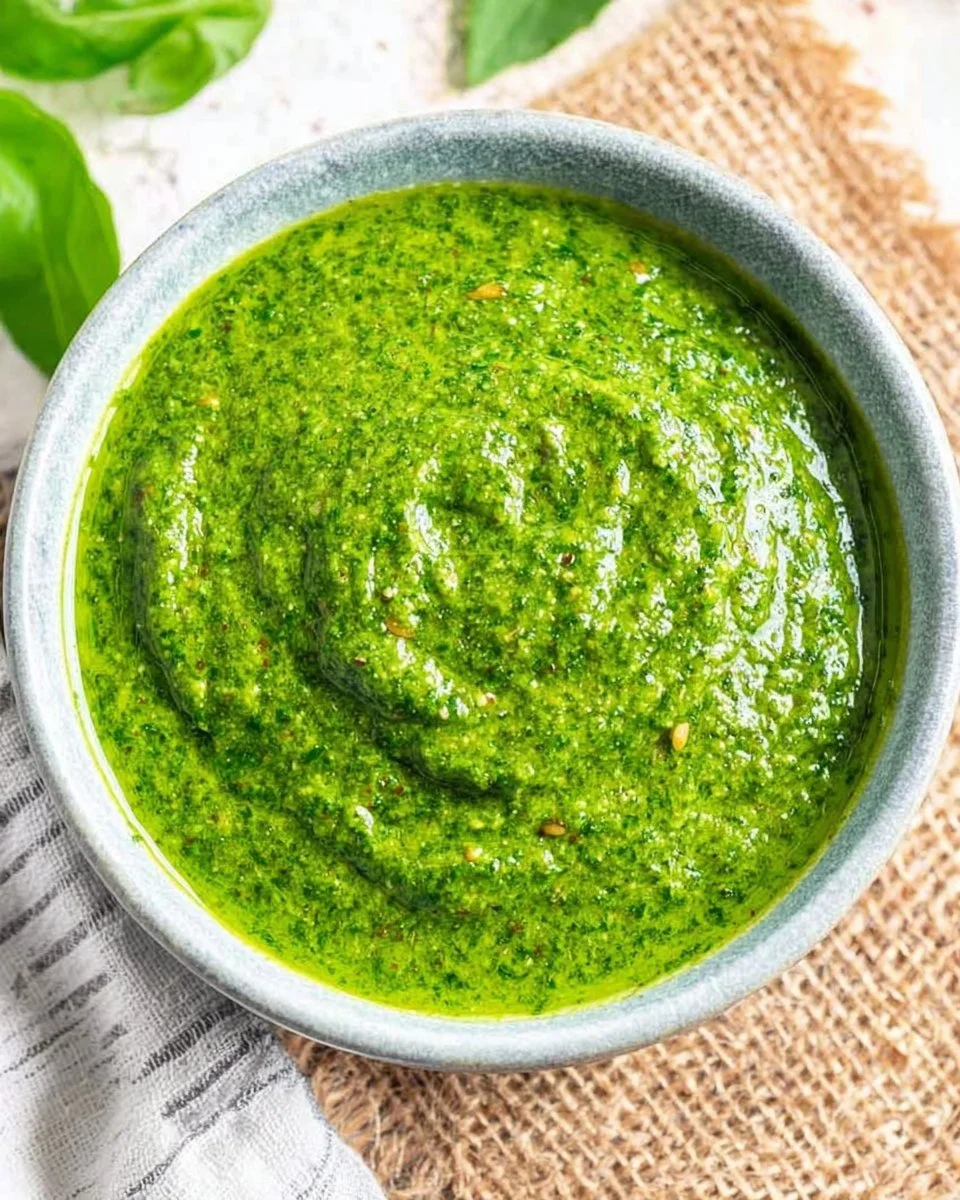
This recipe is not just about the rich flavor of basil but also about how seamlessly it can elevate a simple meal. Whether you're mixing it with pasta, spreading it on toast, or drizzling over grilled veggies, the bright, zesty kick makes it hard to resist. Ready to make some pesto magic? Follow along!
Jump to:
Why You’ll Love This Recipe
- Simple Ingredients: This recipe uses basic ingredients you likely already have at home.
- Quick to Make: You can prepare this pesto in under 10 minutes, perfect for busy weeknights.
- Versatile Use: Works as a pasta sauce, spread, or dressing, making it a multi-purpose kitchen gem.
- Rich Flavor: Combines the fresh taste of basil with the nutty crunch of pine nuts and zingy lemon juice.
- Freezer-Friendly: Make a large batch and freeze in portions for later use, saving time on future meals.
Ingredients You'll Need
- Pine Nuts – ½ cup. Adds a rich, nutty flavor and creamy texture.
- Garlic – 2 cloves. Brings an aromatic and subtle pungency to the pesto.
- Fresh Basil Leaves – 2 cups. The star ingredient that gives pesto its bright, fresh taste.
- Salt – ½ teaspoon. Enhances the overall flavor of the ingredients.
- Lemon Juice – 2 tablespoons. Adds a touch of acidity and balance.
- Extra-Virgin Olive Oil – ½ cup, plus more as needed. Blends all the ingredients and adds a rich, deep flavor.
- Parmesan Cheese – ¼ cup finely grated. Contributes a salty, umami-rich finish.
How to Make Basil Pesto
Step 1: Prep the Pine Nuts and Garlic
In a small food processor or blender, combine the pine nuts and garlic cloves. Pulse them until they are coarsely chopped and chunky.
Step 2: Blend in the Basil
Add the fresh basil leaves, salt, and lemon juice to the processor. Pulse again until the basil leaves are well mixed with the other ingredients.
Step 3: Incorporate the Olive Oil
With the processor running on low, slowly drizzle in the olive oil. If your processor lacks a feed tube, add the oil in batches and process in between each addition until fully incorporated.
Step 4: Add the Parmesan Cheese
Add the finely grated parmesan cheese and process until everything is well combined and the pesto is smooth. Taste and adjust with additional salt, pepper, or oil as desired.
Step 5: Enjoy or Store
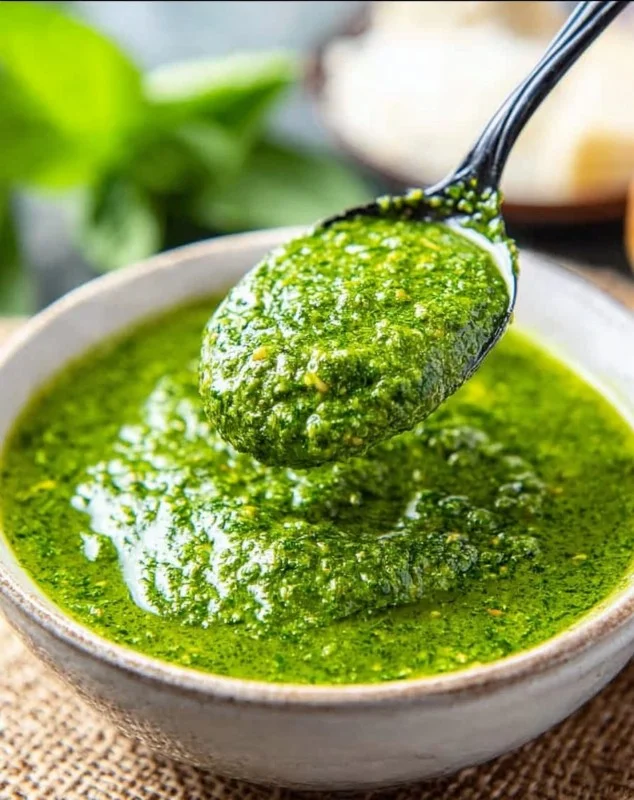
The basil pesto is now ready to enjoy. It can be used immediately or stored in a jar in the fridge for up to 2 weeks, or frozen in airtight containers or ice cube trays for up to 6 months.
Pro Tips from My Kitchen
✓ Chill Your Nuts – For an added depth of flavor, lightly toast the pine nuts before using them in your pesto.
✓ Basil Freshness is Key – Use fresh, vibrant basil leaves for the best flavor. Avoid any that look wilted.
✓ Adjust to Taste – Don't be afraid to tweak the salt, lemon, or cheese to your preference for the ultimate personal touch.
✓ Freeze in Portions – Freeze your pesto in ice cube trays for easy portion control and quick defrosting.
✓ Garlic Intensity – If you're sensitive to raw garlic, roast the cloves lightly before adding to mellow the flavor.
What Makes This Recipe Work
- The freshness of basil pairs beautifully with the nuttiness of pine nuts, creating a harmonious flavor balance. The combination of raw garlic and rich olive oil provides a deep, aromatic base, enhancing the overall taste.
- The texture achieved by pulsing the ingredients gives the pesto a chunky yet creamy consistency, perfect for clinging to pasta or spreading on bread.
- Lemon juice introduces a zesty brightness that cuts through the richness of the olive oil and cheese, balancing out the flavors perfectly.
Frequently Asked Questions About Basil Pesto
Yes, you can use almonds, walnuts, or pecans as a substitute for pine nuts. Toast them lightly for added flavor.
Make sure to add the olive oil slowly while the processor is running to achieve a smooth emulsified texture. Blending in stages can also help.
Absolutely! You can store it in the fridge for up to two weeks. For longer storage, freeze it in portions for up to six months.
Bitter pesto can result from over-processing the basil. Try pulsing the ingredients just enough to combine them, and don't skimp on the parmesan cheese.
Pesto is incredibly versatile. Toss it with pasta, spread it over grilled chicken or fish, or mix it into soups and sauces for an herby boost.
Basil Pesto Recipe
Ingredients
- ½ cup Pine Nuts
- 2 cloves Garlic
- 2 cups Fresh Basil Leaves
- ½ teaspoon Salt
- 2 tablespoons Lemon Juice
- ½ cup Extra-Virgin Olive Oil
- ¼ cup Parmesan Cheese, finely grated
Instructions
- In a small food processor or blender, combine the pine nuts and garlic cloves. Pulse them until they are coarsely chopped and chunky.
- Add the fresh basil leaves, salt, and lemon juice to the processor. Pulse again until the basil leaves are well mixed with the other ingredients.
- With the processor running on low, slowly drizzle in the olive oil. If your processor lacks a feed tube, add the oil in batches and process in between each addition until fully incorporated.
- Add the finely grated parmesan cheese and process until everything is well combined and the pesto is smooth. Taste and adjust with additional salt, pepper, or oil as desired.
- The basil pesto is now ready to enjoy. It can be used immediately or stored in a jar in the fridge for up to 2 weeks, or frozen in airtight containers or ice cube trays for up to 6 months.
Notes
- For added depth of flavor, lightly toast the pine nuts before using them in your pesto.
- Use fresh basil leaves for the best flavor.
- Adjust the salt, lemon, or cheese according to your taste preferences.

Leave a Reply