
There's something deeply satisfying about baking your own bread, especially French bread. I remember the first time I tried making it—watching the dough rise and smelling the warm yeast filled my kitchen with an irresistible fragrance. It's an experience that's almost therapeutic.
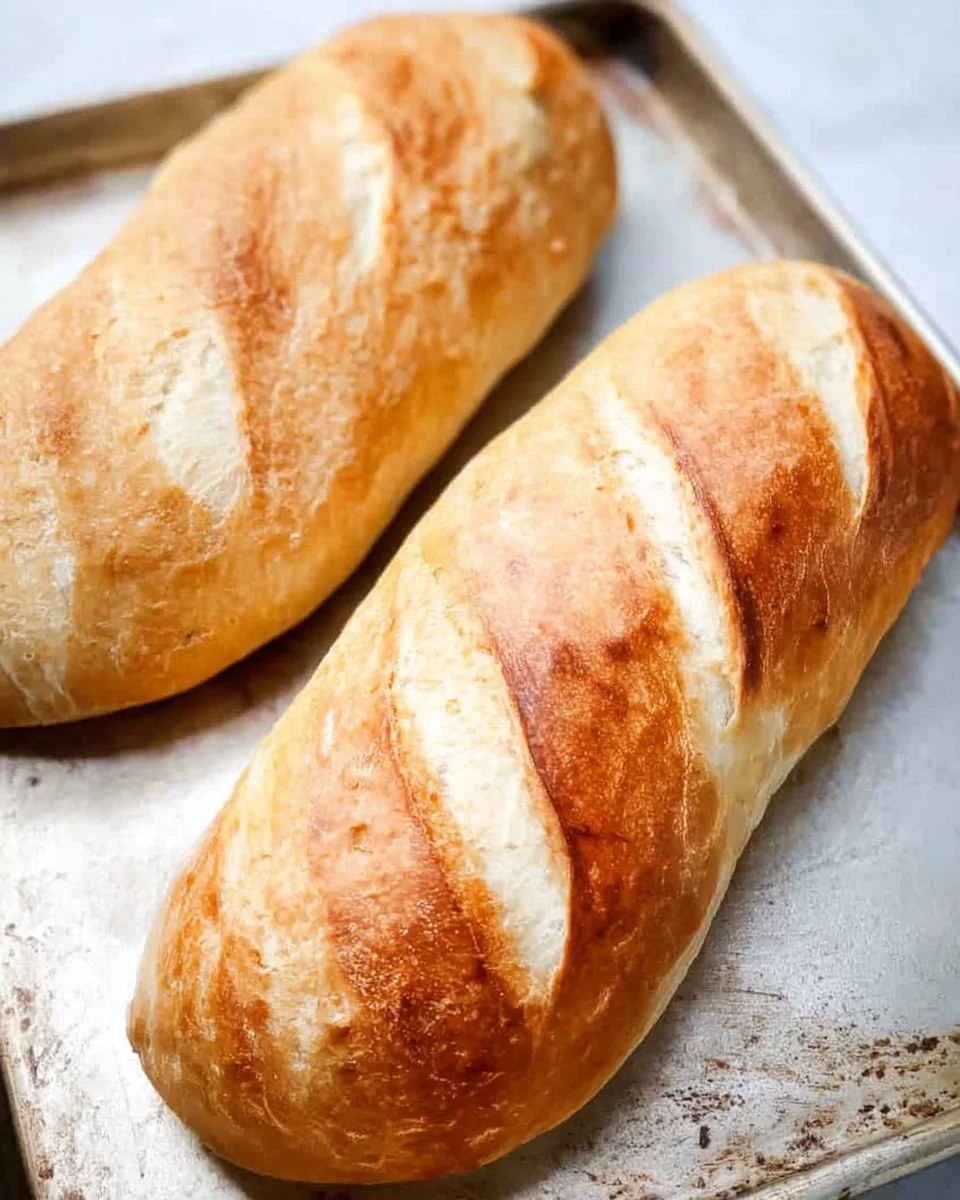
This simple recipe also proves how accessible great French bread can be, producing a soft interior and a perfectly crusty exterior. You'll be surprised at how much better it tastes than store-bought. Not only is it a fulfilling process, but it also results in two delicious loaves ready to accompany any meal. Get ready to elevate your bread-making skills with this foolproof approach.
Jump to:
Why You’ll Love This Recipe
- Simple Ingredients: Common pantry items are all you need to create this delightful bread.
- Easy Steps: Straightforward instructions guide you through the process with ease.
- Versatile Flavor: Pairs well with both savory and sweet dishes, enhancing any meal.
- Fresh Baked Aroma: Fill your home with a welcoming aroma that draws everyone to the kitchen.
- Cost-Effective: A budget-friendly approach to enjoy quality bread without breaking the bank.
Ingredients You'll Need
- Warm Water – 2 cups at around 105°F. Helps activate the yeast for fluffy bread.
- Active Dry Yeast – 1 tablespoon. Essential for leavening the bread.
- Granulated Sugar – 2 ½ teaspoons. Feeds the yeast and aids in browning.
- All-Purpose Flour (or Bread Flour) – 5 cups. Provides structure and texture.
- Table Salt – 2 ½ teaspoons. Enhances the flavor of the bread.
- Olive Oil – 1 teaspoon. Adds moisture and richness to the dough.
- Melted Salted Butter (optional) – For brushing. Adds a touch of flavor to finished loaves.
How to Make French Bread
Step 1: Activate the Yeast
Combine warm water, yeast, and sugar in a small bowl. Let it sit for 5 minutes until the mixture becomes foamy.
Step 2: Mix Initial Ingredients
In a large mixing bowl, mix 2 cups of flour with salt. Stir in the yeast mixture until well-blended.
Step 3: Knead the Dough
Gradually add the remaining flour while kneading until the dough is smooth and not sticky.
Step 4: Let the Dough Rest
Rub olive oil around the dough ball and let it rest for 15-30 minutes to develop flavor and elasticity.
Step 5: Shape the Loaves
Divide the dough in half. Roll one half into a rectangle, then form a cylinder and seal the seams tightly.
Step 6: Allow to Rise
Place the shaped loaves on a baking sheet and let them rise for 30-60 minutes until they've doubled in size.
Step 7: Prepare the Oven
Preheat the oven to 400°F. Make three diagonal cuts on top of each loaf to guide expansion while baking.
Step 8: Bake the Bread
Bake the loaves for 17-23 minutes until they turn golden brown with a crunchy crust.
Step 9: Finish and Enjoy
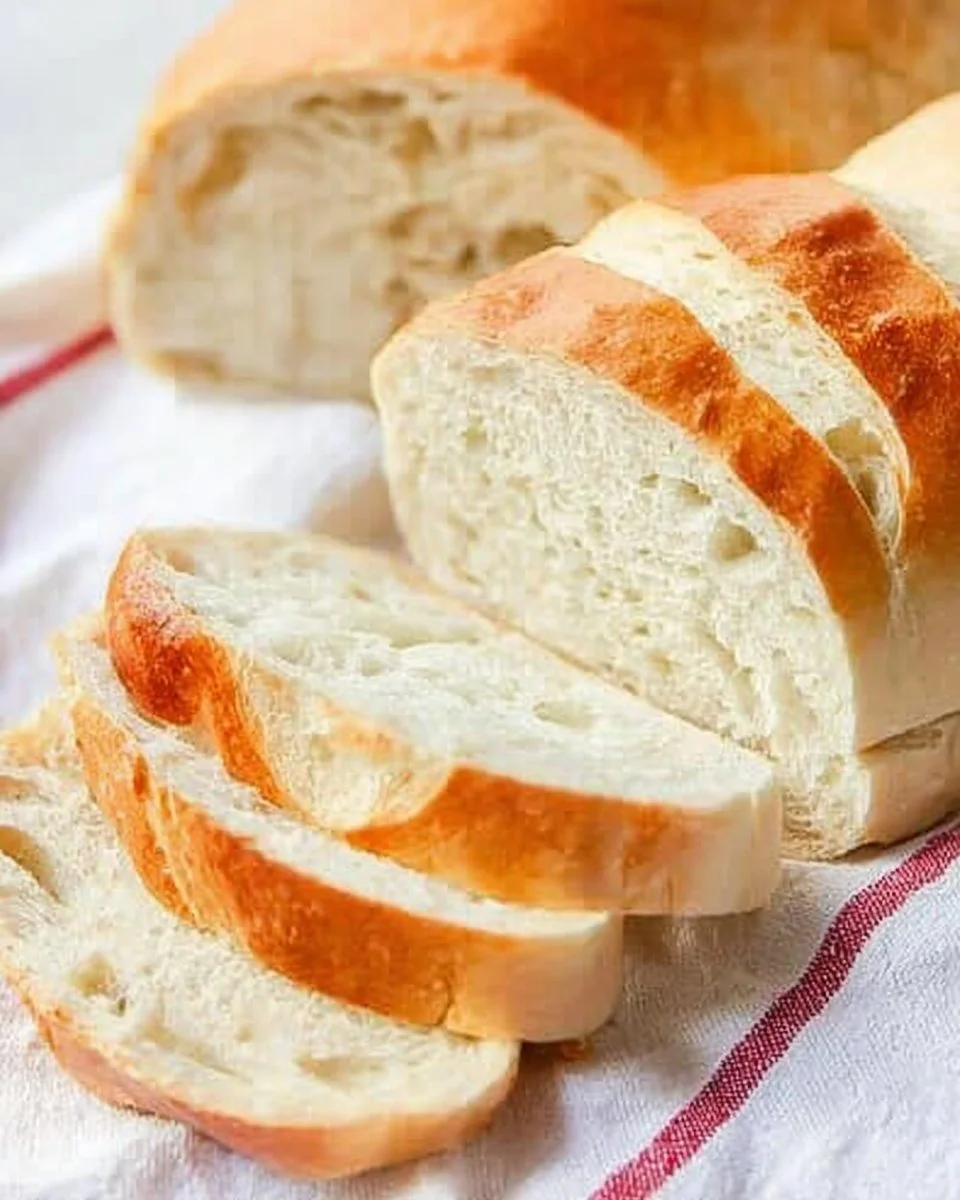
If desired, brush the loaves with melted butter for added richness. Slice and enjoy your freshly baked bread.
Pro Tips from My Kitchen
✓ Use Fresh Yeast – Ensure your yeast is fresh and active to get the best rise and texture in your bread.
✓ Mind the Water Temperature – Water should be warm, not hot. Too hot will kill the yeast, preventing the dough from rising correctly.
✓ Knead Thoroughly – Proper kneading develops gluten, giving the bread its chewy texture. The dough should be smooth and elastic when done.
✓ Don’t Skip the Bread Cuts – Scoring the bread before baking allows steam to escape and prevents cracks.
✓ Cool Completely Before Storing – For best shelf life, let loaves cool fully before sealing in an airtight container.
What Makes This Recipe Work
- Combining water, yeast, and sugar initially activates the yeast fully, ensuring a good rise and fluffy texture.
- Kneading the dough while gradually adding flour ensures it becomes smooth and elastic, crucial for a soft interior.
- Olive oil not only adds moisture but also helps in handling the dough easily, enhancing its richness.
Frequently Asked Questions About French Bread
Yes, but expect a denser texture. Start by substituting half the all-purpose flour with whole wheat flour, adjusting the water as needed.
The loaves should be golden brown and sound hollow when tapped on the bottom. Baking time of 17-23 minutes should suffice.
Absolutely. Prepare the dough, let it rise once, and then refrigerate. Bring to room temperature before final shaping and baking.
This could be due to inactive yeast or water that was either too hot or too cold. Ensure proper yeast activation and optimal resting temperatures.
This bread is versatile. It's perfect with soups, pastas, or simply with butter and jam for breakfast.
French Bread Recipe
Ingredients
- 2 cups Warm Water at around 105°F. Helps activate the yeast for fluffy bread.
- 1 tablespoon Active Dry Yeast
- 2.5 teaspoons Granulated Sugar
- 5 cups All-Purpose Flour (or Bread Flour)
- 2.5 teaspoons Table Salt
- 1 teaspoon Olive Oil
- to taste Melted Salted Butter (optional)
Instructions
- Combine warm water, yeast, and sugar in a small bowl. Let it sit for 5 minutes until the mixture becomes foamy.
- In a large mixing bowl, mix 2 cups of flour with salt. Stir in the yeast mixture until well-blended.
- Gradually add the remaining flour while kneading until the dough is smooth and not sticky.
- Rub olive oil around the dough ball and let it rest for 15-30 minutes to develop flavor and elasticity.
- Divide the dough in half. Roll one half into a rectangle, then form a cylinder and seal the seams tightly.
- Place the shaped loaves on a baking sheet and let them rise for 30-60 minutes until they've doubled in size.
- Preheat the oven to 400°F. Make three diagonal cuts on top of each loaf to guide expansion while baking.
- Bake the loaves for 17-23 minutes until they turn golden brown with a crunchy crust.
- If desired, brush the loaves with melted butter for added richness. Slice and enjoy your freshly baked bread.
Notes
- Use fresh yeast for the best rise and texture, ensure water is warm but not hot, and knead thoroughly to develop gluten.
- Allow loaves to cool completely before storing.


Leave a Reply